When it comes to experiencing the sensation of “energy” as as a listener, which albums, performances, and artists come to mind?
Tommie: Ebo Taylor ‘Love & Death’ gives me a clear positive energy, it just makes me happy no matter what state I am in and that feeling has stayed with me ever since I heard it the first time years ago.
Acid Arab live show at Sacred Fire Stage at Boom Festival - it's a mix of energies that is loaded with adrenalin, enthusiasm and fierce joy. Loved it.
Fontän s/t album is also a mix of energies that I really enjoy - it feels decadent and beautiful, the songwriting is creative in a way that is not so conventional for our area and that kind of gets me going.
We have a few bands in the Gbg area that really sticks out but Fontän is one of the first and one of my early discoveries after moving here 10 years ago.
Ibbe: I also have to say Ebo Taylor’s ‘Love & Death’. Between both of us it’s probably the most played record and I suspect it may have fueled many sessions.
Sunn O))) made a huge impact on me when I saw them live. It was a complete take-over of the room, the bodies, the minds. It’s a must no matter what your musical background is. Completely changed my relationship with live music.
Kate Bush.
There can be many different kinds of energy in art – soft, harsh, healing, aggressive, uplifting and many more. Which do you tend to feel drawn to most?
Tommie: I have shifted in my preferences as my taste in music developed and I also got older. I used to listen to a lot of DSBM and very ‘difficult’ music. I loved it for a very long time but that type of energy had an effect on my mental health eventually so I started to search for other stuff.
Nowadays I solely look for music that gives me the specific vibe that I am looking for in the moment, mostly positive energy but it can also be melancholic or ‘vemodigt’ as we say in Swedish. I also tend to look for sounds that I have not heard before, sounds that feel singular and fresh is my biggest interest.
For example I am currently listening to ‘The Singing Ice of Storsjön’ by Jonna Jinton which basically is field recordings of cracking ice in the north. Beautiful stuff.
Ibbe: All of them, or maybe none of them? I don’t think I’m drawn to a specific feeling or energy anymore. At least not in the way I used to when I was younger - now I’m all over the place. If I can relate to it, if it makes me move, feel or think or learn - then good.
A huge part is also looking for new or interesting sounds, like Tommie mentioned.
I have had a hard time explaining that listening to death metal calms me down. When you listen to a song with a particular energy, does it tend to fill you with the same energy – or are there “paradoxical” effects?
Tommie: I can totally get that, as I mentioned before that I have a relationship with this kind of music.
About paradoxical effects of listening to music, me and Ibbe sometimes refer to a classic feeling that is called ‘horny but scared’. A sound or an artist that you feel a great appeal to at the same time you feel terrified of it. Sometimes that is the best feeling and something that is very hard to create.
Ibbe: Both, but It’s a very interesting subject that we try to explore and play around with quite a bit. I think Tommie nailed it with ‘horny but scared’. When you want to but you can’t look away ... because you don’t really want to.
At it’s core I really think it’s about touching something real, something beyond our masks.
In as far as it plays a role for the music you like listening to or making, what role do words and the voice of a vocalist play for the transmission of energy?
Tommie: As we identify as an instrumental band, we use the voice and singing mainly as an instrument.
Personally that is also how I interpret singing, the use of a voice in music is more of an element in a whole that can sometimes enhance or destroy energy of a song. It is not a central part for me even if the production often is made that way.
Ibbe: For me it depends on what I’m listening to, but for the most part I also view it as an instrument.
Something that completely ruined (or helped) my way of thinking about words/lyrics is the interview with Allee Willis about writing the chorus for Earth, Wind & Fire’s ‘September’: when “fighting” over whether or not to change “ba-dee-ya” to actual words she learned from Maurice White to “never let the lyric get in the way of the groove”.
That always stuck with me.
Tommie: AGREED!
When it comes to experiencing the sensation of “energy” as as a creator, how would you describe the physical sensation of experiencing this energy? [Where do you feel it, do you have a visual sensation/representation, is there a sense of release or a build-up of tension etc …]
Tommie: It is definitely an internal feeling and I make music/experience music mainly as a way to heal from other feelings. So the sensation I get from this is the number one and most important energy in my daily life.
Ibbe: Like having an electric field covering every inch of your body, radiating outwards. It almost stings, and it feels like your body can’t contain whatever is happening inside it.
No build-up, no release - just the thing we’ve learned means happiness to us followed by a sometimes desperate desire to stay within that realm.
When it comes to composing / songwriting, are you finding that spontaneity and just a few takes tend to capture energy best? Or does honing a piece bring you closer to that goal?
Tommie: I would say honing a piece would definitely bring me closer to that goal. Sure, sometimes we managed to write something in a spontaneous manner, but the pieces that I am most content with are the ones that we worked on for some time before we consider them finished.
How much of the energy of your own music, would you say, is already part of the composition, how much of it is the result of the recording process?
Tommie: Both. Fauna is meant to be an experiment so a bunch of stuff will happen in the studio or when we jam.
But we also had a clear view of what we wanted to do, what kind of sound we wanted to create so the experimenting is just a way for us to get closer to that goal.
For your current release, what kind of energy were you looking for?
Tommie: Refined. Fierce. Sensual. Sophisticated. Decadent. Crazy. Transcendental. Beautiful. Fluid. Earthy. Danceable.
I can name a bunch of energies that we were looking for but I feel like I already interfered too much with your experience of the album by mentioning this so I won’t mention any more.
Ibbe: Horny but scared.
How do you capture the energy you want in the studio?
Tommie: By grinding the tracks a lot, letting them breathe for a while, returning to them, grinding them some more, evaluating them, and just trying to understand how the songs are supposed to sound.
I believe all songs have a natural energy to them when you start working on them and then you spend days and days, or months even to understand that energy.
Ibbe: We talk a lot about the tracks: what they are, what they have, what we want to convey with them and how to do that.
What role do factors like volume, effects like distortion, amplification, and production in general for in terms of creating the energy you want?
Tommie: I mean, all of this matter obviously and it will vary depending on which kind of song we write.
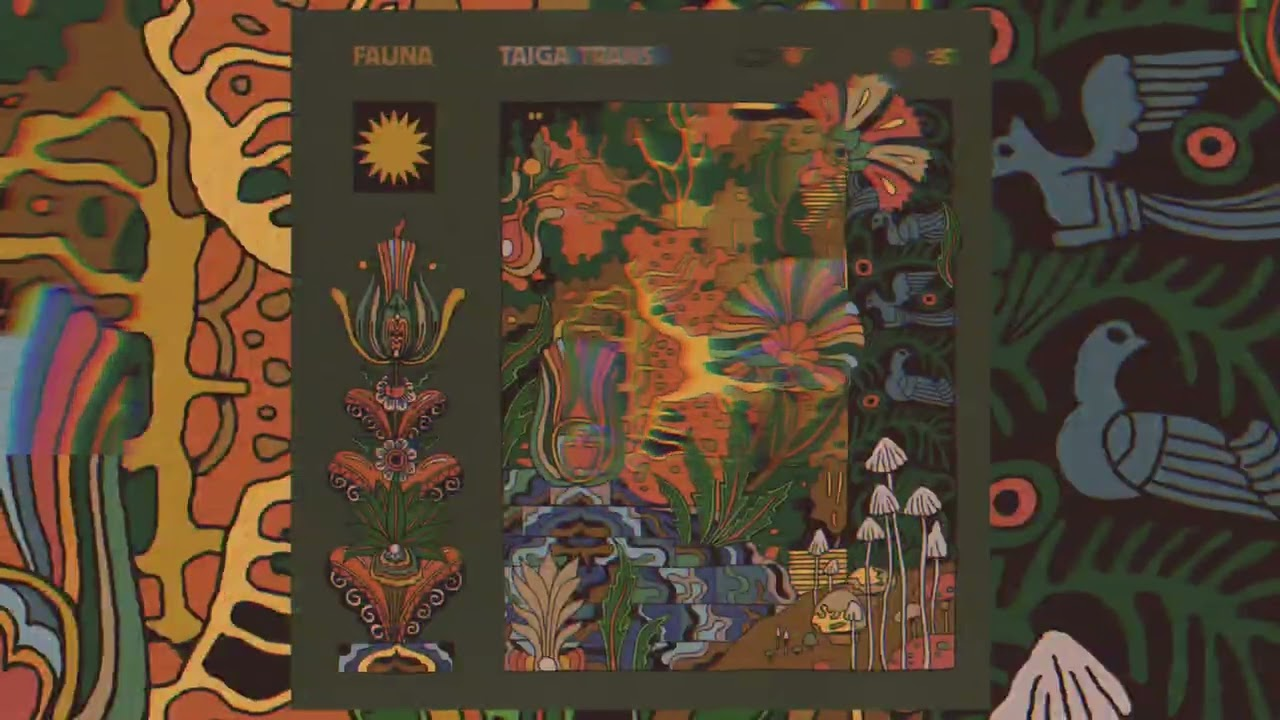
Our new album is very bass and kick driven so they play a crucial part for this one but we try to have everything in it’s own ‘pocket’ so everything comes through well. I believe we succeeded with this on Taiga Trans.
Ibbe: They are means to deepen what we’re trying to express. There’s always a balance of ‘producing cool sounds with every tool available in the world’ vs ‘can we do it live’?
Since we don’t work with playback, that is always something we have to consider. We have to be able to play the sounds, so we need to be mindful of who is doing what and also find new ways to manipulate sounds/recreate things we did in the studio in a live setting.
In terms of energy, what changes when you're performing live on stage, with an audience present, compared to the recording stage?
Tommie: We treat the recording context completely different from the live context. We will change our tracks for a live setting to make it work better, sometimes we make big changes that can make a recorded track unrecognisable and vice versa.
We try to keep our tracks as fluid and open as possible just because of this.
How does the presence of the audience and your interaction with it change the energy of the music and how would you describe the creative interaction with listeners during a gig?
Tommie: Our music is dependent on the interaction with a crowd. We always try and give as much as we can of ourselves when we play live.
If the audience is with us then it will turn in to a shared experience that more often than not feels transcendental, both for us and the crowd.
Ibbe: We’ve been blessed with amazing crowds at many of our shows and it feels like playing with our missing 10th member. Their vibe directly feeds into our playing.
Every show is like a unique collaboration in that sense.
What kind of feedback have you received from listeners or concert audiences in terms of the experience that your music and/or performances have had on them?
Tommie: I won’t start to give examples of this, but I can say that the feedback and reactions we have had from playing our music live is truly unbelievable for us. We had so many great experiences while playing live that we could have never imagined when we first started.
This is also a major reason that keeps us going: The shared experience and positive energy with all dancers out there.
Ibbe: Honestly, I sometimes suspect that it’s a very elaborate prank.
Would you say that you prefer to stay in control to be able to shape the energy or do you surrender to it and allow the music to take over? Who, ultimately has control during a live performance?
Tommie: I totally surrender to the music. I try to play as little as possible to be able to experience as much as possible while on stage.
Ibbe: I do.
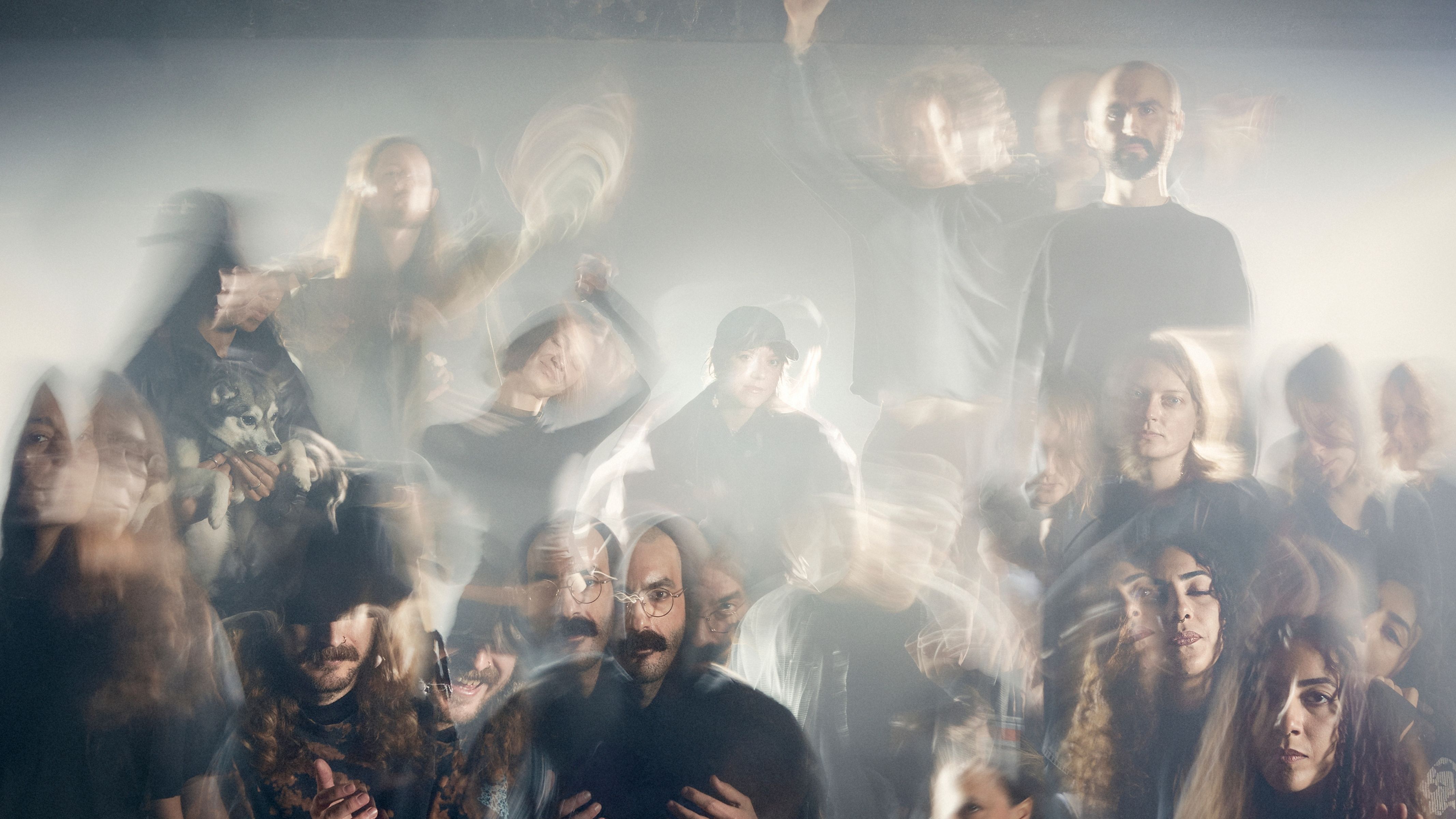
Fauna Interview Image by Felix Gerlach
Tommie Ek: "We sometimes refer to a feeling that is called ‘horny but scared’. A sound or an artist that you feel a great appeal to at the same time you feel terrified of it."