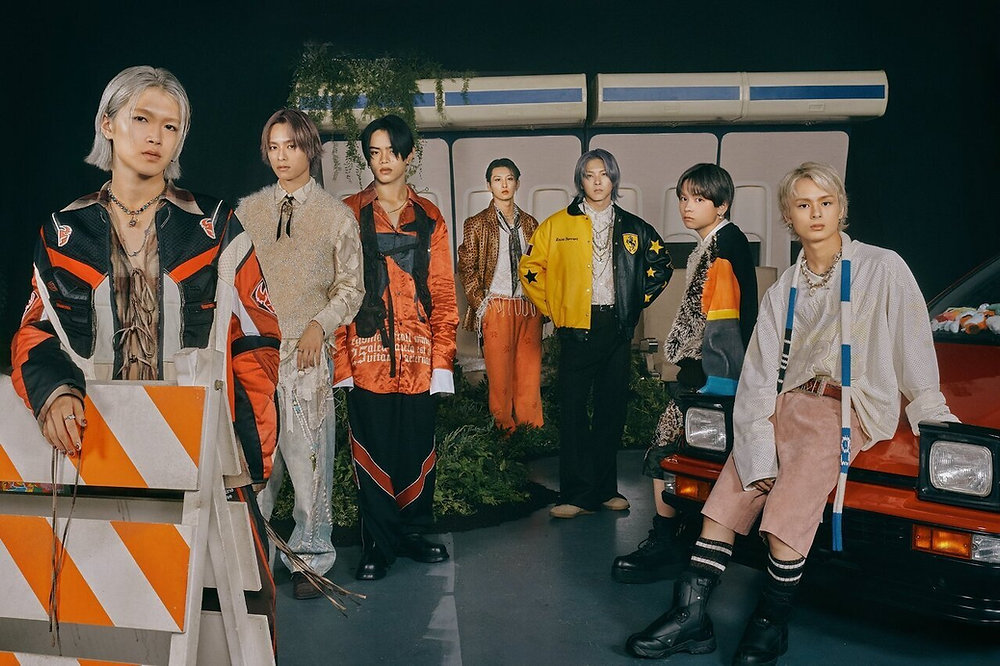
Japan’s dance and vocal group KID PHENOMENON took the stage at SXSW 2026, held in Austin, Texas, from March 12 to 18. With a goal to challenge the idea that the top boy bands today are only coming from K pop, the seven member group delivered performances that energized local audiences and left them with a strong sense of confidence. Still feeling the momentum from their shows, the group sat down with Billboard Japan to reflect on what they gained from the experience.
What’s on your mind now that your SXSW 2026 performance is over?
Kensuke Sorematsu: It was our first time performing in the U.S., so I was honestly unsure how the crowd would react. We spent a lot of time thinking about how to make sure even people who had never heard of KID PHENOMENON could enjoy the show. In the end, it was not only our fans having a great time, but also people who were simply there for the music, and that made me really happy. What stayed with me the most was hearing people from overseas singing along with us. It made me feel proud that we took on this challenge.
What went through your mind when you first heard you would perform at SXSW 2026?
Shunnosuke Sato: I was honestly surprised that we would get the chance to represent Japan at such a global event. At the same time, all seven of us are motivated by challenges, so we were excited to see how far we could push ourselves at an event that brings together artists from all over the world. We usually build our own setlist and performance flow, and for this show we even created a new dance track while also working on arrangements, transitions, and choreography. It turned into a 40 minute set that we put everything into.
Did you also develop a concept for the performance?
Kensuke: Our group is built around the idea of “TOKYO NEO POP,” so we wanted that to be reflected on stage. For the vocal arrangements, I told Tsubasa and Kota to follow their instincts, and they really delivered. The whole performance was built around enjoying the moment while trusting each other.
Rui Suzuki: Of course we prepared as much as possible, but since it was our first show in the U.S., we also tried not to overthink it. It was more about trusting what we have built and expressing it honestly. We brought our excitement to the stage and let it come through naturally.
How did you spend your time after arriving in Austin?
Soma Kawaguchi: We did a street performance and so many people stopped to watch. Everyone there was so welcoming. They danced with us and even joined our cypher circle. It was something we had never experienced before, and it really showed us how music and dance can connect people beyond language and borders.
With all of that leading into the show, what stood out to you the most from the performance?
Kohaku Okao: The energy from the crowd was incredible, and it pushed us to give even more. Some people were singing along, while others were just feeling the music in their own way. The atmosphere was very different from Japan, and that made the experience even more exciting.
Kota Yamamoto: Since it was our first time performing in the U.S., we wanted to make sure people understood who we are. We spoke in English between songs and while interacting with the audience. Being able to communicate through both words and performance helped us deliver a stronger message, and I think it came across as a bold and powerful set.
The setlist flowed really well. Were there any songs that stood out in terms of audience reaction?
Kensuke: I noticed that songs were received differently compared to Japan. For example, with “Black Flame,” fans in Japan tend to focus closely on the performance, while in the U.S. people were more relaxed and moved along with the music. The same thing happened with “Underrated,” where people were just naturally vibing. Experiencing that difference made me realize we need to adapt how we build our shows depending on where we perform.
Were there any other lessons or inspirations you took from SXSW?
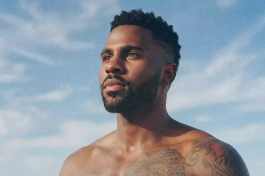
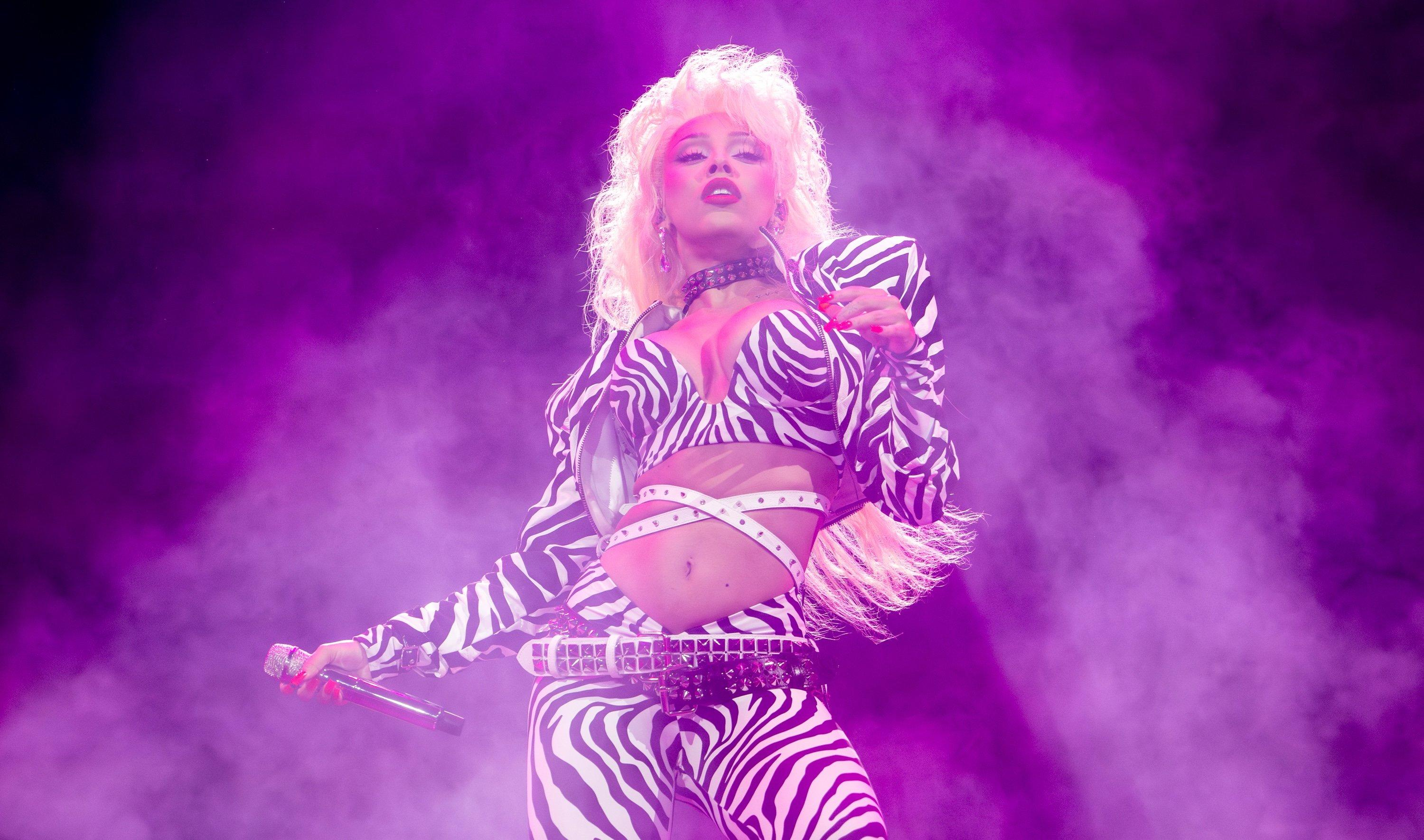
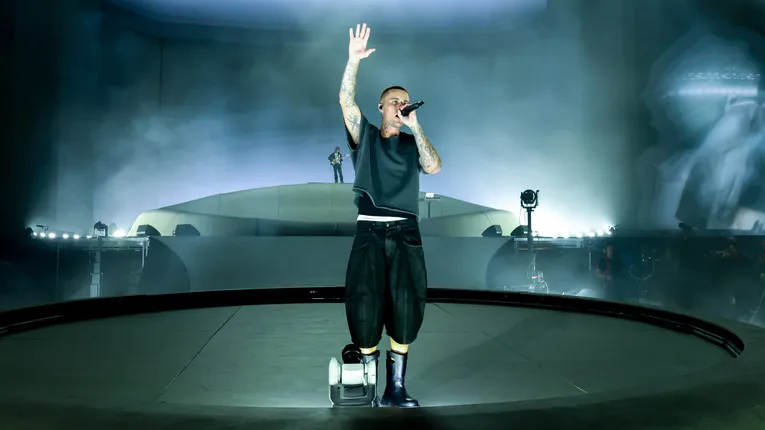
Kensuke: We watched Ty Dolla $ign and JayDon perform, and they had a strong sense of how to read the crowd and build the energy. It made me feel like we need to become more aware of that kind of spontaneity in live performances.
Tsubasa Endo: For me, it reinforced the importance of expressing everything you have. Since it was our first time performing in the U.S., we gave it everything, and seeing the audience respond to that was really moving. I want to keep that approach as part of how I express myself as an artist.
SXSW 2026 felt like your first step onto the global stage. How would you describe the experience overall?
Shunnosuke: We gained so much from it, and it gave us real confidence for future performances. I want us to keep expanding what we can do so more people around the world can experience our music.
Looking ahead, what kind of image do you want to share with the world?
Kohaku: “TOKYO NEO POP” is our core concept, so we want to make that clear while also representing it through who we are as individuals living in Tokyo. Another part of our identity is that we are seven different characters, each with our own strengths and tastes across genres. Our music spans rock, pop, R and B and more, which allows us to express that diversity.
Kensuke: When we are out in public, people sometimes ask if we are a K pop group. There is this assumption that Asian boy bands automatically fall into that category, and it can be frustrating. We are capable of many different things, and being a Japanese group is something we are proud of. We want to build KID PHENOMENON into its own category and share a message about embracing yourself and being true to who you are. That is why we want to continue creating and performing without limits while staying authentic to TOKYO NEO POP.
You have mentioned “TOKYO NEO POP” several times. Can you explain what it means?
Tsubasa: At its core, it is about expressing Tokyo culture through the perspective of KID PHENOMENON. There is already the term J pop, which exists because so many artists have shaped it over time. We see TOKYO NEO POP not just as a genre but as a culture. We want to represent Tokyo by bringing together its many influences and reinterpreting them into something new that reflects the city today.
Finally, what kind of artists do you hope to become in the next five years?
Kensuke: We want to be artists who can perform not only in Japan but also at international festivals like Coachella and Lollapalooza. I hope KID PHENOMENON can become recognized globally, and to get there, we will keep pushing forward as a group, staying motivated and continuing to take on new challenges.
This interview by Azusa Takahashi first appeared on Billboard Japan.
.jpg)